
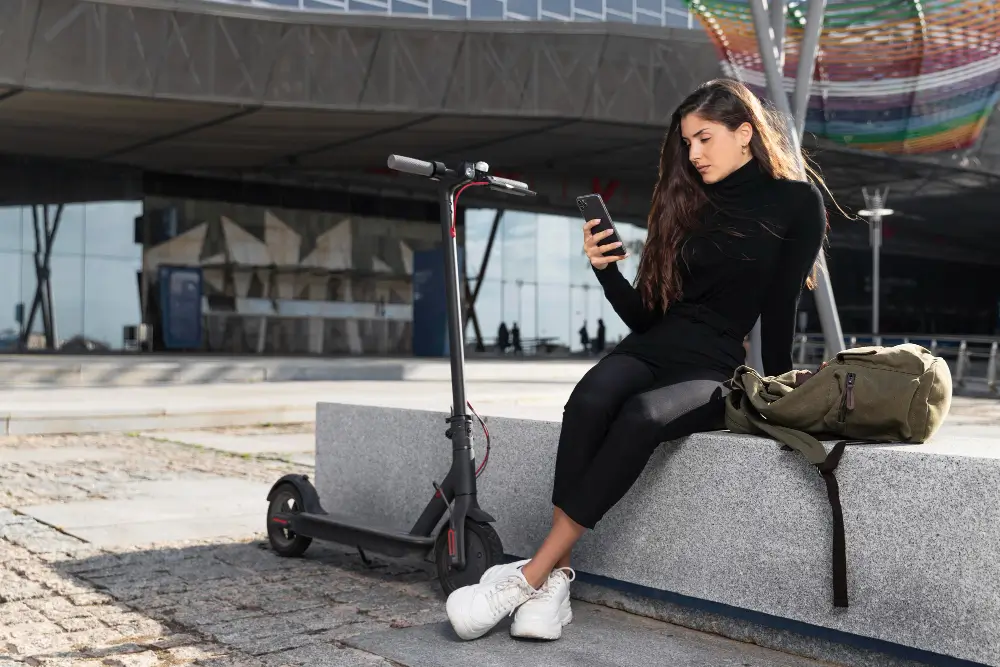
Electric scooters have transformed urban transportation across America. You’ll find them on busy city streets, designated bike lanes, university campuses, and residential neighborhoods. However, one critical question continues to confuse riders nationwide: Is it legal to ride electric scooters without a helmet?
The straightforward answer is complex—it fundamentally depends on your geographical location. Different states maintain varying regulations, and individual cities frequently implement additional restrictions beyond state requirements. This comprehensive guide examines everything riders need to understand about electric scooter helmet laws in 2025.
Throughout this article, you’ll discover precisely when helmet usage becomes legally mandatory, potential consequences for non-compliance, and essential strategies for maintaining both safety and legal compliance while operating your e-scooter. Understanding whether is it legal to ride electric scooters without a helmet in your area can prevent costly fines and potentially life-threatening injuries.
Understanding the Complexity of Electric Scooter Helmet Regulations
The regulatory landscape surrounding electric scooter helmet laws presents significant challenges for riders attempting to maintain legal compliance. The fundamental issue stems from the absence of unified federal legislation governing the entire nation.
Individual states exercise autonomous authority in establishing their respective laws. Subsequently, municipalities and counties frequently layer additional ordinances onto existing state regulations. This creates an intricate patchwork of requirements that can perplex even experienced electric scooter operators.
Consider these contrasting examples: California mandates helmet usage for all riders under 18 years of age. Conversely, Arizona restricts this requirement to riders under 15. Meanwhile, New York City implements regulations that differ substantially from those governing the remainder of New York State.
These discrepancies underscore the critical importance of researching specific regulations applicable to your riding location. Many riders ask is it legal to ride electric scooters without a helmet and discover the answer varies dramatically within just a few miles.
Federal Government Stance on Electric Scooter Helmet Requirements
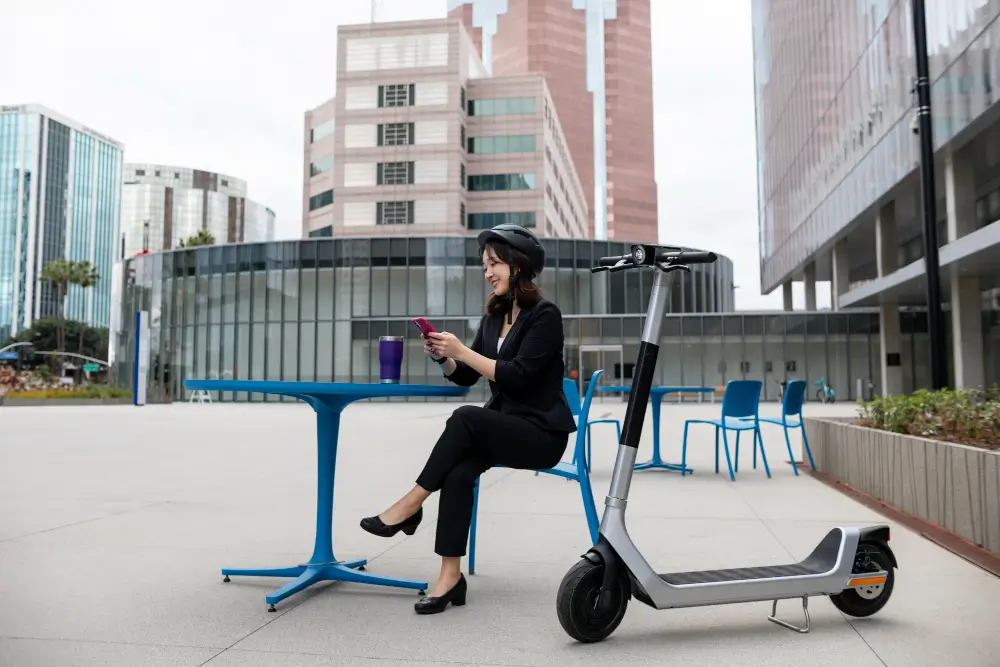
The federal government maintains a notably hands-off approach regarding helmet mandates for electric scooter riders. The Consumer Product Safety Commission (CPSC) establishes safety standards governing scooter manufacturing processes and product quality, yet it deliberately avoids imposing helmet requirements on individual riders.
This regulatory framework delegates helmet legislation entirely to state and local governmental bodies. The absence of federal oversight represents a primary factor explaining why electric scooter helmet requirements demonstrate such dramatic variation across different jurisdictions.
When people nationwide wonder is it legal to ride electric scooters without a helmet, they quickly realize there’s no universal federal answer that applies coast to coast.
Comprehensive State-by-State Analysis of Helmet Legislation

Understanding the specific regulations in your state provides essential foundation for legal compliance. The following analysis categorizes states based on their approach to helmet requirements and helps answer is it legal to ride electric scooters without a helmet for your specific state.
States Mandating Universal Helmet Usage
Relatively few states require all electric scooter riders to wear helmets regardless of their age. Most jurisdictions concentrate their helmet mandates on younger demographic groups.
Nevertheless, specific municipalities within otherwise lenient states may enforce more stringent regulations. Riders should always investigate local city ordinances thoroughly before assuming is it legal to ride electric scooters without a helmet in their area.
States Requiring Helmets Exclusively for Minor Riders
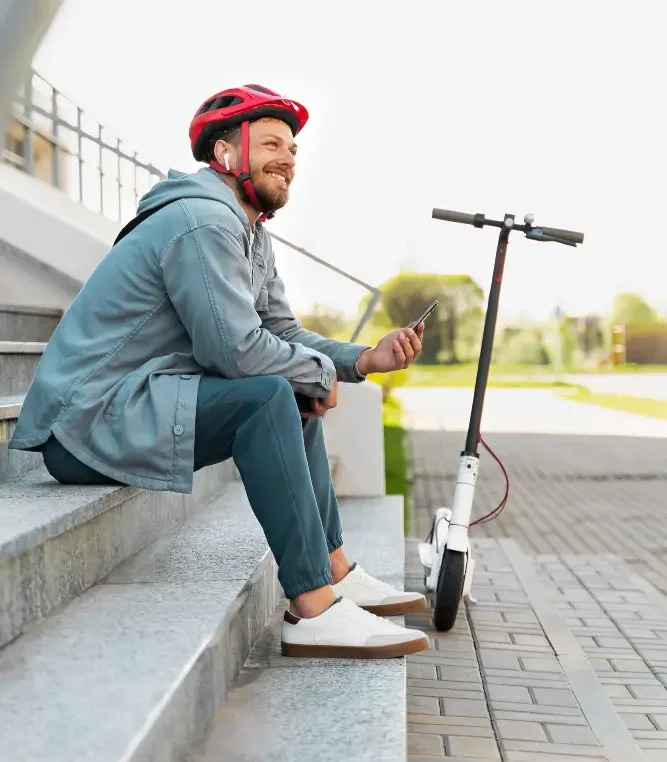
The majority of states with established helmet laws for electric scooters apply these requirements only to riders below specified age thresholds. The following represents the most prevalent age-based categorizations:
Requirements for riders under 18 years:
- California maintains comprehensive helmet requirements for all minors
- Florida enforces similar age-based restrictions
- Georgia, Massachusetts, and Tennessee follow this standard
Requirements for riders under 16 years:
- Connecticut implements this moderate threshold
- Delaware, Louisiana, and Texas adopt comparable approaches
Requirements for riders under 15 years:
- Arizona establishes this lower age limit
- Nevada maintains equivalent standards
These age-differentiated laws indicate that adult scooter helmet laws generally permit greater flexibility. In most jurisdictions, riders over 18 can legally operate electric scooters without helmets, meaning the answer to is it legal to ride electric scooters without a helmet is often “yes” for adults.
States Without Specific Helmet Mandates
Numerous states have declined to implement specific helmet requirements for electric scooter operation. This absence of legal mandates doesn’t diminish the strong safety recommendations from transportation experts—it simply means helmets aren’t legally compulsory.
States currently lacking mandatory helmet legislation include:
- Colorado and Illinois in the Midwest
- Michigan, Ohio, and Pennsylvania in the Great Lakes region
- Virginia and Washington on the coasts
Even within these jurisdictions, intelligent riders recognize that helmet usage remains the prudent choice for personal safety, regardless of whether is it legal to ride electric scooters without a helmet technically permits riding without one.
Municipal and County-Specific Helmet Regulations
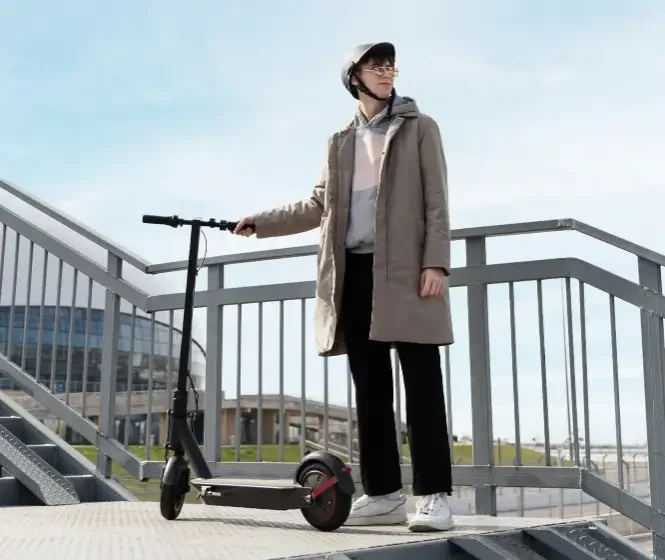
Local regulations introduce additional complexity to an already complicated legal landscape. Your city may enforce stricter requirements than your state mandates, completely changing the answer to is it legal to ride electric scooters without a helmet.
Metropolitan Areas with Stringent Helmet Requirements
Several prominent American cities have enacted independent city electric scooter helmet rules that exceed state-level regulations:
San Francisco, California: This city requires universal helmet usage for all riders, despite California state law limiting requirements to minors only. So even though adults might ask is it legal to ride electric scooters without a helmet in California generally, San Francisco provides a different answer.
Seattle, Washington: While not legally mandating helmets, the city strongly encourages their use. Additionally, certain rental scooter companies operating within Seattle incorporate mandatory helmet provisions into their service agreements.
Portland, Oregon: Portland requires helmets for all electric scooter riders operating on public thoroughfares, providing a clear “no” to anyone wondering is it legal to ride electric scooters without a helmet within city limits.
Austin, Texas: Following state guidelines, Austin requires helmets for riders under 18. However, numerous rental companies proactively provide helmets to all users regardless of age.
Strategies for Identifying Your Local Requirements
To definitively answer is it legal to ride electric scooters without a helmet in your specific jurisdiction, implement these research strategies:
- Consult your state’s Department of Motor Vehicles or transportation authority website. Most states provide clearly articulated electric scooter regulations through these official channels.
- Access your municipality’s official code repository. Search specifically for ordinances addressing “electric scooters” or “personal mobility devices.”
- Contact your local police department’s non-emergency information line. Law enforcement officials can provide authoritative guidance regarding local helmet requirements and answer is it legal to ride electric scooters without a helmet definitively.
- Review rental scooter company terms of service. When utilizing rental scooters, companies may impose helmet requirements independent of local legislation.
Legal Standards for Compliant Helmet Usage
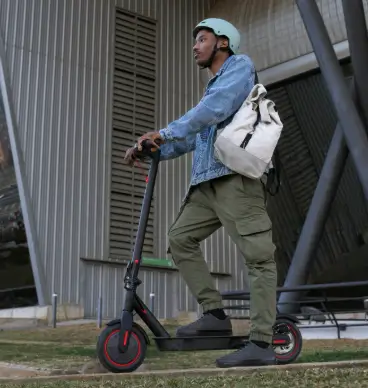
Simply wearing any helmet doesn’t guarantee legal compliance. Most electric scooter helmet laws specify particular standards that helmets must satisfy to constitute legally acceptable protection.
CPSC Certification Requirements
Most jurisdictions require helmets meeting Consumer Product Safety Commission (CPSC) standards. Compliant helmets must incorporate:
- Adequate impact absorption materials and construction
- Securely fastening chin straps that remain attached during impacts
- Comprehensive coverage protecting the forehead and posterior skull
- Clearly visible CPSC certification labels affixed internally
Distinguishing Between Helmet Categories
Bicycle helmets typically satisfy requirements for electric scooter operation. However, motorcycle helmets, skateboarding helmets, or industrial hard hats may not consistently comply with jurisdiction-specific standards required by law.
When uncertainty exists about whether is it legal to ride electric scooters without a helmet or what helmet types qualify, riders should utilize helmets specifically engineered for cycling or electric scooter use that display unambiguous CPSC certification.
Safety Rationale: Do You Need a Helmet for an Electric Scooter?
Legal requirements constitute one consideration. Personal safety represents an entirely separate—and arguably more critical—factor. Let’s examine why helmets matter profoundly, even when legislation doesn’t mandate their use.
Statistical Analysis of Head Injury Incidents
Electric scooters commonly achieve speeds ranging from 15-20 mph, with some models exceeding these velocities. At such speeds, falls can produce catastrophic head injuries.
Research demonstrates that:
- Head trauma represents the most frequently occurring category of electric scooter injuries
- Riders without helmets experience significantly elevated rates of traumatic brain injuries
- Even relatively low-speed accidents can result in skull fractures or severe concussions
While you might ask is it legal to ride electric scooters without a helmet from a legal standpoint, the medical community provides a unanimous safety recommendation: always wear one.
Illustrative Real-World Case Studies
Consider these documented scenarios:
Case Study 1: A 25-year-old rider in Denver, Colorado (jurisdiction without helmet mandates) struck a substantial pothole while traveling at 18 mph. Without helmet protection, they sustained a severe concussion requiring three days of hospitalization and weeks of cognitive rehabilitation. Though is it legal to ride electric scooters without a helmet was answered affirmatively in Denver, the consequences proved devastating.
Case Study 2: A 16-year-old rider in Los Angeles, California (helmet required for minors) collided with an unexpectedly opened car door at moderate speed. Their helmet sustained catastrophic cracking, but they departed the scene with only superficial abrasions.
These examples illustrate why safety professionals universally advocate helmet usage, irrespective of whether is it legal to ride electric scooters without a helmet in your location.
Consequences of Non-Compliance with Helmet Regulations
Suppose you understand that local law mandates helmet usage, yet you decide to disregard this requirement. What ramifications might you face?
Financial Penalties and Legal Sanctions
Electric scooter fines for helmet violations demonstrate substantial variation across locations:
California: Initial violation: $25 fine for riders under 18 Subsequent violations: Escalating to $200
Florida: First offense typically receives warnings Repeat violations: $15-$50 monetary penalties
New York City: $50-$100 fine assessed regardless of rider age
Texas: $10-$200 fine depending on specific municipal jurisdiction
Certain jurisdictions additionally impose court costs and administrative processing fees, potentially doubling or tripling the total financial burden. Before asking is it legal to ride electric scooters without a helmet, riders should also investigate potential penalties.
Rental Scooter Service Violations
When utilizing rental scooters, helmet law violations can trigger:
- Temporary or permanent suspension from the rental platform
- Additional penalty fees charged directly to your payment account
- Complete prohibition from utilizing that company’s services
Many rental companies employ GPS tracking technology capable of identifying users who violate local helmet ordinances, regardless of whether is it legal to ride electric scooters without a helmet for adults in that jurisdiction.
Insurance and Legal Liability Complications
Many riders fail to consider this critical aspect. Accidents occurring without helmets in jurisdictions mandating their use can result in:
- Substantially reduced insurance claim payouts
- Complete denial of personal injury compensation claims
- Increased legal liability if you contributed fault in a collision
Failure to wear legally required helmets can dramatically complicate any subsequent legal proceedings or insurance negotiations following accidents.
Helmet Policies for Shared Electric Scooter Services
Shared scooter services including Lime, Bird, and Spin have experienced explosive growth in popularity. These companies frequently maintain independent helmet policies that users must observe.
How Rental Companies Address Helmet Compliance
Most rental scooter companies:
- Provide information about local helmet laws through their mobile applications
- Display helmet recommendations before initiating each ride
- Occasionally offer complimentary or discounted helmets through retail partnerships
- May require users to acknowledge understanding of local regulations
However, very few rental companies actually supply helmets with individual scooters. This places responsibility squarely on riders to provide their own helmets when legally required.
Renter Responsibilities and Obligations
When renting an electric scooter, you agree to comply with all applicable local laws, including potential helmet legal penalties. The rental company bears no responsibility if you choose to operate without a helmet in areas where one is legally mandated.
Always carefully review terms of service documentation. Some companies explicitly state that violating local helmet laws constitutes grounds for account suspension, even when is it legal to ride electric scooters without a helmet technically under state law.
Special Circumstances and Regulatory Exceptions
Certain unique scenarios may alter how helmet laws apply to your situation and change the answer to is it legal to ride electric scooters without a helmet.
Private Property Considerations
Some states permit helmet-free operation on private property. For instance, riding your electric scooter in your residential driveway or on private agricultural land may fall outside helmet law jurisdiction.
However, this exception typically doesn’t extend to private parking lots, shopping centers, or other commercial properties accessible to the general public.
Distinguishing Electric Scooters from E-Bikes
Exercise caution not to conflate electric scooter laws by state with e-bike regulations. Some states classify these vehicles distinctly:
- E-bikes frequently face separate helmet requirement standards
- Some states mandate helmets for e-bikes but not scooters, or inversely
- Speed capabilities and power output may influence legal classification
Always verify which vehicle category you’re operating and which specific laws apply when determining is it legal to ride electric scooters without a helmet.
Medical Exemption Availability
Very few jurisdictions offer medical exemptions from helmet requirements. Unlike motorcycle helmet laws in certain states, electric scooter regulations rarely incorporate exemptions based on medical conditions.
Comprehensive Strategy for Safety and Legal Compliance

Here’s your actionable plan for maintaining both personal safety and legal compliance while operating your electric scooter.
Pre-Ride Verification Checklist
✓ Research applicable local regulations. Invest ten minutes investigating your city and state requirements to understand is it legal to ride electric scooters without a helmet where you ride.
✓ Acquire appropriate helmet equipment. Purchase a CPSC-certified bicycle or scooter helmet ensuring proper fit.
✓ Inspect your scooter thoroughly. Verify that brakes, lighting systems, and tires maintain good operational condition.
✓ Plan your travel route strategically. Understand where you’re legally permitted to ride (bike lanes, streets, sidewalks vary significantly by location).
✓ Comprehend potential consequences. Know what fines or penalties apply if you violate local regulations.
Optimal Helmet Usage Practices
Even if is it legal to ride electric scooters without a helmet receives an affirmative answer in your jurisdiction, follow these safety recommendations:
- Wear your helmet during every single ride. Consistency in safety practices saves lives and prevents injuries.
- Ensure proper fit and adjustment. The helmet should rest level on your head, not tilted backward. Chin straps should form a “V” shape directly under your ears.
- Replace compromised helmets immediately. If your helmet has been involved in any crash or displays visible cracks, replace it without delay.
- Prioritize visibility features. Bright colors or reflective elements significantly improve driver awareness of your presence.
Supplementary Safety Equipment
Beyond helmets, consider incorporating:
- Knee and elbow pads providing additional impact protection
- Reflective clothing enhancing visibility during nighttime riding
- Protective gloves safeguarding your hands during falls
- Appropriate footwear (closed-toe shoes; avoid sandals or flip-flops)
Future Trajectory of Electric Scooter Helmet Legislation

Helmet regulations continue evolving as electric scooters become increasingly prevalent in urban transportation ecosystems. The answer to is it legal to ride electric scooters without a helmet may change in your area within the next year.
Emerging Regulatory Trends
Increasing municipal adoption of helmet requirements. As scooter-related injury statistics accumulate, more municipalities are actively considering mandatory helmet legislation.
Standardization initiatives. Some state legislatures are developing uniform electric scooter laws to reduce regulatory confusion across jurisdictions.
Technology integration solutions. Some companies are experimenting with helmet detection technology that prevents scooters from activating unless helmet presence is confirmed.
Insurance requirement discussions. A few jurisdictions are exploring mandatory insurance for electric scooter riders, which could incorporate helmet usage clauses.
Implications for Current and Future Riders
Maintain awareness of evolving legislation. Current legal permissions may change substantially within the next year. Subscribe to local transportation department notifications or check regularly if you’re a frequent rider wondering is it legal to ride electric scooters without a helmet.
Debunking Common Misconceptions About Helmet Laws
Let’s clarify several prevalent misunderstandings about is it legal to ride electric scooters without a helmet.
Misconception 1: “If there’s no posted signage, helmets aren’t required.” Reality: Laws remain enforceable whether or not signs provide reminders. Ignorance of legal requirements doesn’t constitute a valid defense.
Misconception 2: “Rental scooters provide liability protection, so helmets are unnecessary.” Reality: Rental agreements typically specify that riders bear responsibility for their own safety and must follow all local regulations.
Misconception 3: “Helmets are exclusively for children.” Reality: Adults sustain serious head injuries in scooter accidents with comparable frequency. Age doesn’t provide immunity from injury.
Misconception 4: “Police don’t actively enforce helmet laws.” Reality: While enforcement varies, many cities actively issue citations for scooter riders violating helmet requirements, particularly in areas with high scooter traffic.
Final Conclusion: Is It Legal to Ride Electric Scooters Without a Helmet?

So, is it legal to ride e-scooters without a helmet? The definitive answer depends comprehensively on:
- Your chronological age
- Your state’s established legislation
- Your city’s specific ordinances
- The precise location where you’re operating the scooter
In numerous states, adult riders can legally operate without helmets. Minors typically face helmet requirements in most jurisdictions. However, regardless of legal mandates, wearing a helmet consistently represents the most intelligent choice.
Here’s your essential takeaway: Always research your local laws before riding. Invest five minutes in research rather than risking financial penalties or, far worse, life-altering injuries.
Remember, regulations exist fundamentally to protect your wellbeing. Even when the answer to is it legal to ride electric scooters without a helmet is yes, they remain your most effective defense against catastrophic head injuries.
Ride intelligently. Ride safely. And when any doubt exists about whether is it legal to ride e-scooters without a helmet legally or safely, always wear the helmet.
Frequently Asked Questions
Q: Can law enforcement stop me for not wearing a helmet on an electric scooter? Absolutely. In jurisdictions where helmets are required, police possess authority to stop you and issue citations identical to any traffic violation. The answer to is it legal to ride electric scooters without a helmet determines whether you can be ticketed.
Q: Do helmet laws apply to electric scooters operated on sidewalks? Generally yes. Helmet laws typically apply wherever you’re legally permitted to ride your scooter, including sidewalks, bike lanes, and streets.
Q: Are there different helmet laws for standing versus seated electric scooters? Most laws don’t distinguish between standing and seated electric scooter configurations. Both types usually fall under identical regulations when determining is it legal to ride electric scooters without a helmet.
Q: Do I need a helmet if my electric scooter travels under 15 mph? Speed limitations don’t typically alter helmet requirements. If the law requires a helmet for electric scooters, it applies regardless of operational speed.
Q: Can I legally contest a helmet violation ticket? Yes, you possess the right to contest any citation in court. However, if the law clearly mandated a helmet and you weren’t wearing one, your probability of successful appeal remains low.