
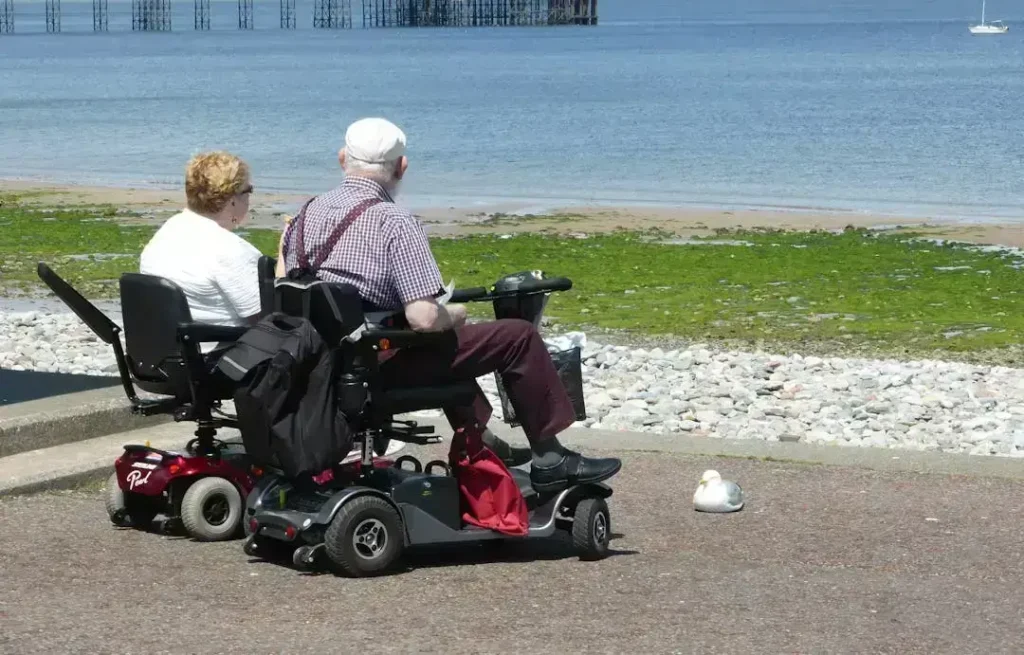
Losing mobility doesn’t mean losing independence. If you or a loved one struggles with walking, getting an electric scooter for elderly covered by Medicare might change your life. Over 15 million Americans face mobility challenges that make daily activities hard. The good news? Medicare helps pay for mobility scooters when you meet certain requirements.
This guide explains everything about getting an electric scooter for elderly covered by Medicare. You’ll learn about eligibility rules, application steps, costs, and how to pick the right equipment.
Does Medicare Cover Electric Scooters for the Elderly?
Yes, Medicare Part B covers these devices when they qualify as durable medical equipment. However, coverage isn’t automatic. You must meet specific medical criteria and follow Medicare’s guidelines.
Medicare considers these devices as power mobility equipment under the durable medical equipment category. These tools help people with serious mobility problems stay independent at home. Medicare Part B typically pays 80% of the approved amount after you meet your yearly deductible.
To qualify for an electric scooter for elderly covered by Medicare, you need medical necessity. Your doctor must confirm that you cannot walk safely inside your home without help. Simple preference or convenience won’t qualify you.
Understanding Medicare Part B and Durable Medical Equipment
Medicare Part B provides coverage for medically necessary equipment you use at home. The program defines DME as equipment that serves a medical purpose, can withstand repeated use, and works for home use.
Electric Scooter for Elderly Covered by Medicare fall into this category when your doctor prescribes them. Medicare knows that mobility devices improve quality of life and prevent falls. The Centers for Medicare and Medicaid Services created clear guidelines to ensure proper equipment distribution.
Durable medical equipment covered by Medicare includes wheelchairs, walkers, hospital beds, and mobility scooters. Each item requires a prescription and must meet specific criteria. Your doctor plays a key role in documenting your medical needs.
The coverage applies to equipment you use mainly at home. Medicare won’t cover scooters meant mostly for outdoor fun or shopping. The focus stays on helping you move safely within your living space.
Eligibility Requirements for Medicare Scooter Coverage
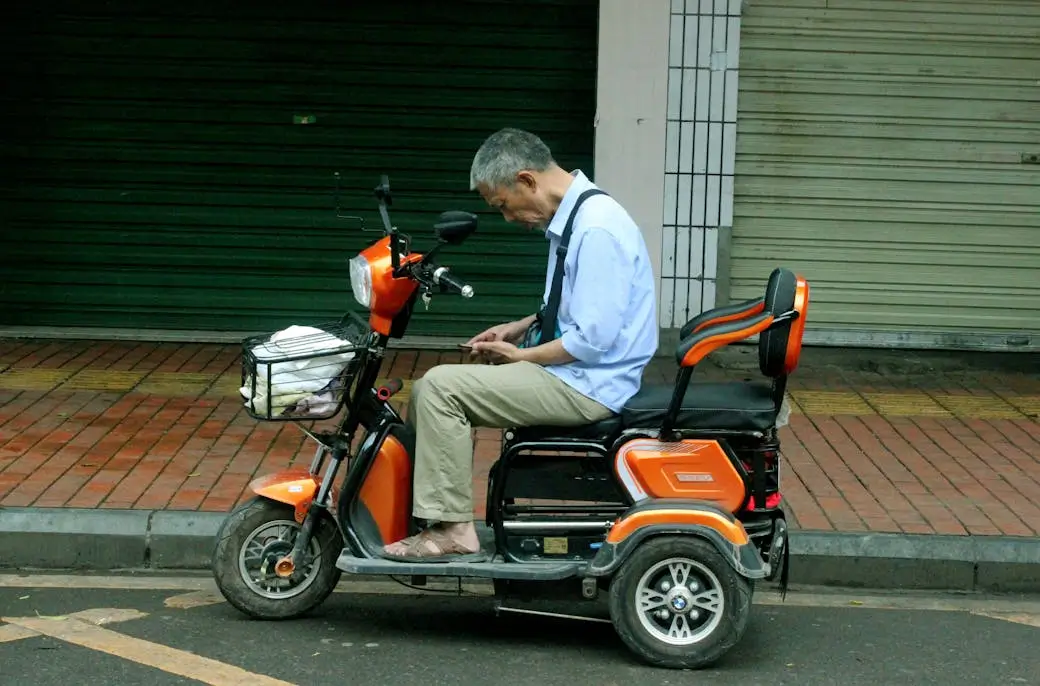
Getting an electric scooter for elderly covered by Medicare requires meeting several important criteria. Understanding these requirements helps you prepare a strong application.
Medical Necessity Criteria
Your doctor must certify that you have a medical condition limiting your mobility. Common qualifying conditions include:
- Severe arthritis affecting multiple joints
- Neurological disorders like Parkinson’s disease or multiple sclerosis
- Heart conditions causing shortness of breath
- Chronic obstructive pulmonary disease
- Paralysis or limb loss
- Severe obesity affecting movement
You must show that walking causes serious health risks. Simply having trouble walking isn’t enough. Your condition must prevent you from safely moving around your home without help.
Face-to-Face Examination Requirement
Medicare requires a face-to-face examination with your doctor within six months before your prescription. During this visit, your physician checks your mobility limitations and documents your medical needs.
Your doctor must see you in person to assess how your condition affects your daily life. Video appointments may not satisfy this requirement for initial evaluations. The examination helps prevent fraud and ensures proper equipment distribution.
This meeting allows your healthcare provider to determine whether an electric scooter for elderly covered represents the best mobility solution. Sometimes, other options like canes or walkers might serve you better.
Home Use Justification
You must show that you need the scooter mainly for home use. Medicare won’t cover mobility devices meant mostly for outside activities or community outings.
Your living situation matters significantly. You need to demonstrate that your home layout requires a mobility device. The scooter should help you perform essential activities like:
- Moving between rooms
- Accessing the bathroom safely
- Reaching the kitchen
- Getting to your bedroom
Medicare checks whether a scooter improves your ability to function independently at home. Documentation should explain how the device helps your daily living activities.
Additional Requirements
Electric Scooter for Elderly Covered by Medicare You must safely operate the scooter. This includes understanding controls, steering properly, and avoiding obstacles. Physical or mental limitations that prevent safe operation may disqualify you.
You need enough space in your home to move the scooter around. Narrow doorways or stairs might make a scooter impractical. Your doctor should consider your home environment when recommending equipment.
The Application Process: Step-by-Step Guide
Getting an electric scooter for elderly covered by Medicare takes patience and organization. Follow these steps to improve your approval chances.
Step 1: Schedule Your Doctor Appointment
Contact your primary care physician or specialist to discuss your mobility concerns. Explain how walking affects your daily activities and health. Be honest about your limitations and challenges.
During your appointment, your doctor examines your condition and reviews your medical history. They decide whether a scooter meets your needs better than other mobility aids. This face-to-face visit is required for Medicare coverage.
Step 2: Obtain a Detailed Prescription
Your doctor must write a detailed prescription. The prescription should include:
- Your specific medical diagnosis
- Explanation of mobility limitations
- Reason why other mobility aids won’t work
- A statement that you can safely operate the scooter
- Confirmation of home use necessity
The prescription strength directly impacts your approval odds. Vague or incomplete documentation often leads to denials. Make sure your doctor provides thorough details about your condition.
Step 3: Choose a Medicare-Approved Supplier
You must obtain your electric scooter for elderly covered from a Medicare-enrolled supplier. These suppliers meet specific standards and accept Medicare assignment. Working with non-approved suppliers results in no coverage.
Medicare provides an online supplier directory at Medicare.gov. You can search for durable medical equipment suppliers in your area. Verify their Medicare enrollment status before proceeding.
Approved suppliers understand Medicare requirements and handle paperwork efficiently. They submit claims directly to Medicare, reducing your workload. Many suppliers also help gather necessary documentation.
Step 4: Submit Required Documentation
Your supplier collects and submits all required documents to Medicare, including:
- Written prescription from your doctor
- Detailed written order specifying equipment type
- Medical records supporting your diagnosis
- Documentation of face-to-face examination
- Proof of Medicare eligibility
Complete documentation speeds up the approval process. Missing information causes delays and potential denials. Work closely with your supplier to ensure everything is included.
Step 5: Wait for Medicare Review
Electric Scooter for Elderly Covered by Medicare reviews your application to determine coverage eligibility. This process typically takes two to four weeks but can extend longer during busy periods. Your supplier tracks the application status and shares updates.
Medicare may request additional information during review. Respond quickly to any requests to avoid delays. Some applications receive approval quickly, while others require more checking.
Step 6: Receive Your Equipment
Once Medicare approves your claim, your supplier arranges delivery or pickup. They should provide training on proper operation and maintenance. Ask questions about controls, charging, and safety features.
Your supplier also explains your financial responsibility. You typically pay 20% of the Medicare-approved amount after meeting your deductible. They should provide clear cost information before delivery.
Types of Electric Scooters Medicare Will Cover
Electric Scooter for Elderly Covered by Medicare different types of mobility scooters based on your specific needs. Understanding your options helps you choose appropriate equipment.
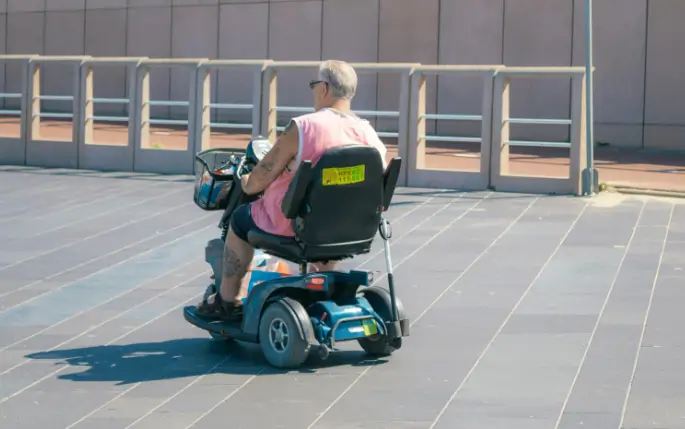
Three-Wheel Electric Scooters
Electric Scooter for Elderly Covered by Medicare Three-wheel models offer excellent movement in tight spaces. Their compact design makes them ideal for narrow hallways and small rooms. These models work well for indoor use in smaller homes.
The turning radius on three-wheel scooters beats four-wheel models. You can make sharper turns and move around furniture more easily. However, they provide less stability on uneven surfaces.
Medicare covers three-wheel scooters when your doctor determines they meet your needs. These models typically cost less than four-wheel versions. Weight capacity usually ranges from 250 to 350 pounds.
Four-Wheel Electric Scooters
Four-wheel scooters provide better stability and balance. Their wider base reduces tipping risk, making them safer for some users. These models handle outdoor terrain better than three-wheel versions.
If you need an electric scooter for elderly covered by Medicare that works both indoors and outdoors, four-wheel models might suit you best. They offer more power and longer battery life. Weight capacities often reach 400 pounds or higher.
The tradeoff involves less movement in tight spaces. You need wider doorways and more room to turn. Consider your home layout when choosing between three and four wheels.
Heavy-Duty Models
Some individuals require heavy-duty scooters with higher weight capacities. These reinforced models accommodate larger patients safely. Electric Scooter for Elderly Covered by Medicare heavy-duty scooters when medical documentation supports the need.
Your doctor must explain why standard equipment won’t work for you. Weight-related medical conditions and safety concerns justify heavy-duty recommendations. Additional documentation may be required for these models.
Standard Features
Most Medicare-covered scooters include:
- Adjustable seats with armrests
- Battery chargers
- Baskets for carrying items
- LED lights for visibility
- Speed control settings
- Emergency braking systems
Your specific model depends on your medical needs and home environment. Your doctor and supplier help determine appropriate features. Medicare focuses on medical necessity rather than convenience options.
Understanding Costs and Payment Breakdown
Knowing what you’ll pay for an electric scooter for elderly covered by Medicare helps you budget properly. Medicare covers significant costs but doesn’t pay everything.
Medicare’s 80% Coverage
Medicare Part B typically pays 80% of the approved amount for durable medical equipment. This coverage applies after you meet your annual Part B deductible. In 2025, the Part B deductible is $240.
The “approved amount” refers to Medicare’s set price for specific equipment. This amount may differ from the supplier’s standard price. Medicare sets these prices to control costs and prevent overcharging.
Your supplier must accept Medicare assignment, meaning they agree to Medicare’s approved amounts. This protects you from excessive charges. Non-participating suppliers can charge more, increasing your costs.
Your 20% Responsibility
Electric Scooter for Elderly Covered by Medicare You pay the remaining 20% of the Medicare-approved amount as coinsurance. For a scooter costing $2,000 (Medicare-approved amount), you’d pay approximately $400 after meeting your deductible.
This 20% coinsurance applies to all Medicare Part B services and equipment. You cannot avoid this payment unless you have supplemental insurance. Planning for this expense prevents financial surprises.
Some suppliers offer payment plans for your portion. Ask about financing options if paying upfront creates hardship. Many suppliers work with customers to arrange manageable payments.
Rental Versus Purchase Options
Electric Scooter for Elderly Covered by Medicare offers two payment approaches: capped rental or lump sum purchase.
Capped Rental: Medicare pays monthly rental fees for 13 months. After this period, you own the equipment. This option spreads costs over time without requiring large upfront payments.
During the rental period, the supplier maintains the equipment and provides repairs. You benefit from maintenance coverage while making payments. After 13 months, ownership transfers to you.
Lump Sum Purchase: Electric Scooter for Elderly Covered by Medicare You and Medicare pay the full amount upfront. You own the scooter immediately. This option works well if you have supplemental insurance covering your 20% share.
Most people choose the capped rental option. It reduces the initial financial burden and includes maintenance. Discuss both options with your supplier to determine the best choice.
Supplemental Insurance Impact
Electric Scooter for Elderly Covered by Medicare Medigap policies often cover your 20% coinsurance for durable medical equipment. If you have a Medigap plan, you might pay little or nothing out of pocket. Review your specific policy details for coverage information.
Medicare Advantage plans handle equipment coverage differently. Some plans cover more than traditional Medicare, while others have different rules. Check with your Medicare Advantage plan about scooter coverage and costs.
Choosing a Medicare-Approved Supplier
Selecting the right supplier significantly impacts your experience getting an electric scooter for elderly covered by Medicare. Quality suppliers make the process smooth and provide excellent service.
Verifying Medicare Enrollment
Electric Scooter for Elderly Covered by Medicare Always verify that a supplier participates in Medicare before proceeding. Visit Medicare.gov and use their supplier search tool. Enter your zip code to find enrolled suppliers near you.
Medicare-enrolled suppliers display their National Supplier Clearinghouse number. This number confirms their authorization to provide Medicare equipment. Never work with unenrolled suppliers expecting Medicare coverage.
Ask suppliers directly about their Medicare participation. Legitimate suppliers readily provide enrollment information. If a supplier hesitates or avoids the question, look elsewhere.
Red Flags to Avoid
Watch for warning signs that indicate problematic suppliers:
- Aggressive sales tactics or pressure to decide quickly
- Offers of “free” scooters without a medical evaluation
- Requests for payment before Medicare approval
- Unwillingness to provide written cost estimates
- Poor customer reviews or BBB complaints
- Lack of physical location or showroom
Legitimate suppliers focus on meeting your medical needs, not making quick sales. They answer questions patiently and explain the process clearly. Trust your instincts if something feels wrong.
Questions to Ask Suppliers
Before choosing a supplier, ask:
- How long have you been Medicare-enrolled?
- What brands and models do you offer?
- Can I test different scooters before deciding?
- What training do you provide?
- How do you handle repairs and maintenance?
- What is your process for submitting Medicare claims?
- How long does approval typically take?
- What payment options do you offer for my 20%?
Electric Scooter for Elderly Covered by Medicare Quality suppliers welcome these questions and provide detailed answers. Their responses reveal their professionalism and customer service standards. Compare multiple suppliers before deciding.
Alternative Funding Options Beyond Medicare
If Medicare denies coverage or you need additional assistance, other funding sources might help you get an electric scooter for elderly covered through alternative programs.
Medicaid Supplemental Coverage
Medicaid sometimes covers costs that Medicare doesn’t pay. If you qualify for both Medicare and Medicaid (dual eligible), Medicaid may pay your 20% coinsurance. Coverage rules vary by state.
Contact your state Medicaid office to learn about available benefits. Some states offer more generous equipment coverage than others. Medicaid can also help with deductibles and other out-of-pocket costs.
Medicare Advantage Plans
Electric Scooter for Elderly Covered by Medicare Advantage plans (Part C) provide Medicare benefits through private insurance companies. These plans must cover everything Original Medicare covers, but many offer additional benefits.
Some Medicare Advantage plans cover mobility equipment with lower copayments. Others include benefits for equipment Medicare doesn’t typically cover. Review your plan documents or call member services for specific coverage details.
Switching to a Medicare Advantage plan requires waiting for enrollment periods. Annual enrollment occurs each fall. Evaluate whether plan changes make sense for your overall healthcare needs.
Veterans Benefits
Electric Scooter for Elderly Covered by Medicare Veterans may qualify for mobility equipment through the Department of Veterans Affairs. The VA provides comprehensive healthcare benefits, including durable medical equipment, to eligible veterans.
Contact your local VA medical center to discuss options. Veterans often receive equipment at no cost or with minimal copayments. You need service-connected disabilities or meet specific eligibility criteria.
Nonprofit Organizations
Several charitable organizations help seniors obtain mobility equipment:
- Local Lions Clubs often provide assistance with medical equipment
- Salvation Army may offer funding or equipment donations
- Catholic Charities and faith-based organizations sometimes help
- Senior centers may maintain equipment loan programs
These resources typically serve individuals with financial hardship. Application processes vary by organization. Contact organizations directly to learn about available programs and requirements.
Medical Equipment Loan Programs
Electric Scooter for Elderly Covered by Medicare Some communities operate medical equipment loan closets. These programs lend durable medical equipment temporarily to people in need. While not a permanent solution, they help during the Medicare application process.
Area Agencies on Aging maintain information about local resources. Call your local agency to ask about equipment loan programs. They can direct you to appropriate community resources.
Common Reasons for Denial and How to Appeal
Understanding why Medicare denies some applications for an electric scooter for elderly covered by Medicare helps you avoid problems. If denied, you have appeal rights.
Frequent Denial Reasons
Medicare commonly denies scooter applications for these reasons:
- Insufficient medical documentation
- Missing face-to-face examination documentation
- Lack of medical necessity evidence
- Equipment seems intended for outdoor or recreational use
- An applicant can function with less expensive alternatives
- The home environment is unsuitable for scooter use
- Safety concerns about operational ability
Many denials result from incomplete paperwork rather than ineligibility. Working with experienced suppliers reduces documentation errors. Your doctor’s thorough records strongly support your case.
The Appeals Process
Electric Scooter for Elderly Covered by Medicare If Medicare denies your claim, you can appeal through five levels:
Level 1 – Redetermination: Contact Medicare within 120 days of denial. Request a redetermination and provide additional documentation. A Medicare contractor reviews your case again. Decisions typically arrive within 60 days.
Level 2 – Reconsideration: If still denied, request reconsideration by a Qualified Independent Contractor. This independent party wasn’t involved in the original decision. You have 180 days to file.
Level 3 – Administrative Law Judge Hearing: Appeals exceeding $180 in value can proceed to an ALJ hearing. You present evidence and testimony. The judge makes an independent decision.
Level 4 – Medicare Appeals Council Review: If the ALJ denies your appeal, request council review. The council can uphold, reverse, or modify previous decisions.
Level 5 – Federal Court: As a last resort, you can file in a federal district court if the disputed amount exceeds $1,760.
Most successful appeals resolve at levels one or two. Additional medical documentation often overcomes initial denials. Don’t give up if your first application fails.
Maintaining Your Medicare-Covered Scooter
Once you have your Electric Scooter for Elderly Covered by Medicare, proper maintenance ensures it lasts longer. Medicare covers repairs and maintenance including:
- Battery replacements every few years
- Worn tires and wheels
- Broken parts due to normal wear
- Regular servicing
You pay 20% of approved costs for repairs. Keep your scooter in good condition by:
- Charging batteries regularly
- Keeping it clean and dry
- Checking tire pressure monthly
- Storing it properly when not in use
- Following manufacturer guidelines
Taking the Next Step Toward Improved Mobility
Getting an electric scooter for elderly covered by Medicare transforms daily life for many seniors. The process requires patience, documentation, and working with the right healthcare providers and suppliers.
Start by scheduling an appointment with your doctor to discuss your mobility challenges. Be honest about how walking affects your health and independence. Your doctor’s thorough documentation provides the foundation for Medicare approval.
Research Medicare-approved suppliers in your area using the Medicare.gov supplier directory. Compare suppliers based on product selection, customer reviews, and service quality. Choose a supplier who answers questions patiently and explains the process clearly.
Gather your medical records documenting mobility limitations. Keep copies of all paperwork throughout the application process. Organization helps you respond quickly if Medicare requests additional information.
Remember that a mobility Electric Scooter for Elderly Covered by Medicare isn’t just medical equipment it’s a pathway to independence. Many seniors regain confidence and quality of life with proper mobility assistance. Don’t let mobility limitations prevent you from living fully.
If Medicare initially denies your application, don’t lose hope. Many people succeed on appeal with additional documentation. Work with your doctor and supplier to strengthen your case.
Your mobility matters. Medicare coverage makes Electric Scooter for Elderly Covered by Medicare accessible to seniors who need them. Take the first step today by contacting your healthcare provider to discuss your options.
Medical Disclaimer: This article provides general information about Medicare coverage for electric scooters. Individual circumstances vary, and coverage decisions depend on specific medical conditions and documentation. Consult with your healthcare provider and Medicare for personalized guidance.
Resources:
- Official Medicare Website: Medicare.gov
- Medicare Hotline: 1-800-MEDICARE (1-800-633-4227)
- Find Medicare Suppliers: Medicare.gov/supplier-directory
- State Health Insurance Assistance Program (SHIP): Free local Medicare counseling
Frequently Asked Questions
How much does Medicare pay for a scooter?
Medicare Part B covers 80% of the approved amount after you meet your deductible. You pay the remaining 20% as coinsurance. The total cost depends on the specific scooter model Medicare approves.
Do I need a prescription from my doctor?
Yes, you must have a detailed prescription from your doctor. The prescription must explain your medical condition, mobility limitations, and why an electric scooter for elderly covered is medically necessary for home use.
Can I rent a scooter or must I buy it?
Medicare offers both options. The capped rental program allows you to rent for 13 months, after which you own the equipment. Alternatively, you can purchase the scooter outright with a lump sum payment.
What if Medicare denies my claim?
You have the right to appeal Electric Scooter for Elderly Covered by Medicare denials. Request a redetermination within 120 days and provide additional medical documentation. Many denied claims succeed on appeal with proper documentation.
How long does the approval process take?
The approval process typically takes two to four weeks. Complex cases or incomplete documentation may extend this timeline. Your supplier tracks your application and communicates status updates.
Will Medicare cover a scooter for outside use?
Electric Scooter for Elderly Covered by Medicare primarily covers equipment for home use. However, if your scooter helps you perform medically necessary activities outside your home, coverage may apply. The key is medical necessity, not recreation.
Can I choose any scooter I want?
Medicare covers scooters that meet your documented medical needs. Your doctor determines the appropriate type based on your condition and home environment. Medicare won’t cover luxury features or upgrades beyond medical necessity.
What happens if my scooter breaks?
Electric Scooter for Elderly Covered by Medicare During the capped rental period, your supplier handles repairs and maintenance. After you own the scooter, you become responsible for upkeep. Some suppliers offer service contracts for a fee.