
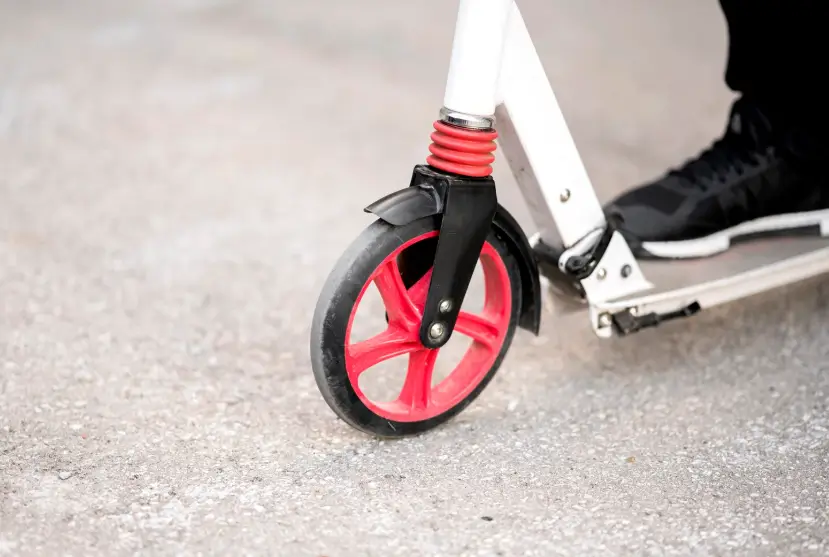
Finding the right wheels electric scooter can transform your daily commute and weekend adventures. More people are switching to electric scooters as gas prices climb and parking becomes harder to find. This guide walks you through everything you need to know before buying your next ride.
What Makes a Great Wheels Electric Scooter?
A quality wheels electric scooter combines speed, safety, and style. The wheels are the foundation of your riding experience. Most riders don’t think about wheel size until they hit their first pothole or crack in the sidewalk.
Good electric scooters come with wheels between 6 to 11 inches. Smaller wheels work great on smooth pavement. Larger wheels handle bumps and rough terrain better. Your choice depends on where you plan to ride most often.
Types of Wheels for Electric Scooters
Electric scooter wheels come in three main types. Air-filled pneumatic wheels offer the smoothest ride. They absorb shocks like car tires do. Solid rubber wheels never go flat but feel every bump. Honeycomb wheels sit somewhere in the middle.
Pneumatic wheels need more care. You must check air pressure and watch for punctures. Solid wheels require almost no maintenance. They last longer but don’t grip wet surfaces as well.
Key Features to Look For
Battery Life and Range
Range matters more than top speed for most riders. A wheels electric scooter with good range takes you farther without charging. Most models travel between 15 to 40 miles per charge.
Cold weather reduces battery range by up to 30 percent. Hills drain batteries faster too. Always check real-world range reviews before buying. Manufacturers often list best-case numbers that don’t match daily use.
Lithium-ion batteries power most modern scooters. They charge faster and last longer than older battery types. A full charge typically takes 4 to 8 hours. Some fast-charging models fill up in just 2 hours.
Battery life decreases over time. After 500 charge cycles, expect about 80 percent of original capacity. Quality batteries from known brands hold their charge better. Cheap batteries fail sooner and cost more to replace.
Motor Power and Speed
wheels electric scooter Motor power determines how fast you accelerate and climb hills. Entry-level scooters use 250-watt motors. Mid-range models feature 500 to 750 watts. High-performance scooters pack 1000 watts or more.
Most cities limit electric scooter speeds to 15 or 20 miles per hour. Check your local laws before buying a faster model. More power means better hill climbing, not just higher top speed.
Dual motor scooters provide power to both wheels. They climb steeper hills and accelerate faster. Single motor models cost less and use less battery. Choose based on your terrain and riding style.
Hub motors sit inside the wheel. They’re quiet and require no maintenance. Chain-driven motors offer more power but need regular care. Most casual riders prefer the simplicity of hub motors.
Build Quality and Weight
wheels electric scooter Sturdy construction keeps you safe at speed. Aluminum frames offer the best mix of strength and weight. Steel frames last forever but weigh too much to carry upstairs.
Weight capacity matters if you’re taller or heavier. Most scooters support riders up to 220 pounds. Heavy-duty models handle 300 pounds or more. Exceeding weight limits damages motors and reduces range.
The deck where you stand should feel solid under your feet. Wider decks provide more stability. Narrower decks make the scooter lighter and easier to store. A good deck measures at least 6 inches wide.
Folding mechanisms make storage and transport easier. Quality hinges lock firmly and don’t wobble. Test the folding action before buying. Cheap mechanisms break after a few months of daily use.
Safety Features Every Rider Needs
Braking Systems
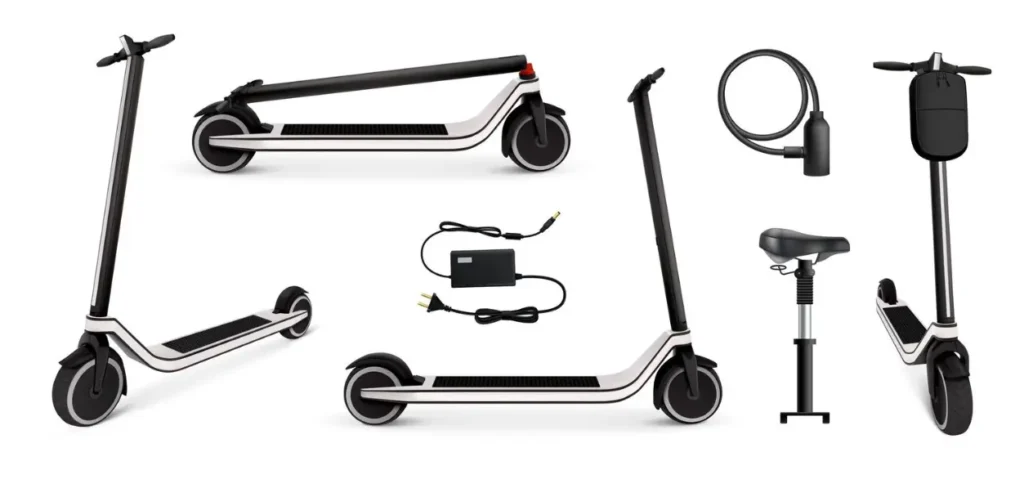
Good brakes save lives. The best wheels electric scooter models use dual braking systems. Electronic brakes on the front wheel work instantly. Mechanical rear brakes provide backup stopping power.
Disc brakes offer the strongest stopping force. They work well in all weather conditions. Drum brakes require less maintenance and last longer. Foot brakes are the simplest but least effective option.
Regenerative braking recharges the battery while slowing down. It extends your range by a few miles per charge. The braking force feels smooth and controlled. Most riders prefer scooters with regenerative systems.
Brake maintenance keeps you safe. Check brake pads every month for wear. Adjust cables that feel loose. Replace worn parts immediately. Never ride with faulty brakes.
Lighting and Visibility
Front LED lights help you see the road ahead. Rear lights make you visible to cars behind you. Side reflectors add extra safety at intersections.
wheels electric scooter Ride with lights on during dawn, dusk, and night hours. Some states require lights by law. Battery-powered lights drain your range slightly but keep you much safer.
Bright lights use more battery. Dim your lights during daytime rides to save power. Clean your lights regularly so they shine at full brightness. Dirty lenses reduce visibility.
Reflective tape adds extra visibility without using battery. Place strips on the deck, stem, and wheels. Cars spot you more easily at night. This simple upgrade costs just a few dollars.
Suspension Systems
Front and rear suspension smooth out rough roads. Spring suspension costs less but wears out faster. Hydraulic suspension delivers the best performance at higher prices.
Budget scooters skip suspension entirely. Your body absorbs all the shocks. This gets tiring on longer rides. Consider spending more for better suspension if you ride daily.
Adjustable suspension lets you tune the ride quality. Stiffen it for smooth roads and speed. Soften it for rough terrain and comfort. Premium scooters include this feature.
Maintenance matters for suspension too. Lubricate moving parts monthly. Check for loose bolts that cause rattling. Replace worn springs before they break completely.
Choosing the Right Size Wheels
Small Wheels (6-8 Inches)
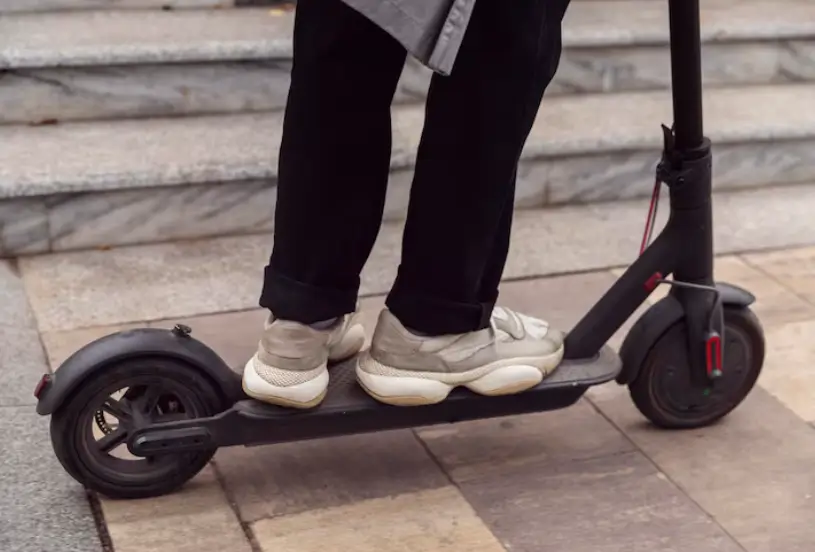
Small wheels make your wheels electric scooter lighter and more portable. They accelerate quickly and turn easily in tight spaces. City riders who face smooth sidewalks prefer smaller wheels.
The downside shows up on cracked pavement. Small wheels catch on obstacles more easily. They make steering less stable at higher speeds. Choose small wheels only if portability matters most to you.
Six-inch wheels work for kids and lightweight riders. Eight-inch wheels suit most adults riding on good roads. Anything smaller than six inches feels unsafe at speed.
Medium Wheels (8-10 Inches)
wheels electric scooter Medium-sized wheels balance portability with ride comfort. They handle most urban terrain without trouble. Many popular commuter scooters use 8.5 or 10-inch wheels.
This size works well for riders under 200 pounds. The wheels absorb small bumps while maintaining good speed. Medium wheels fit most folding mechanisms too.
Ten-inch wheels are the sweet spot for most riders. They roll smoothly over cracks and small obstacles. The weight increase over eight-inch wheels is minimal. Range doesn’t suffer much either.
Large Wheels (10-11 Inches)
Large wheels roll over obstacles that stop smaller scooters. They maintain stability at top speed. Off-road and performance scooters always use larger wheels.
The trade-off comes in weight and size. Large-wheeled scooters don’t fold as compactly. They’re harder to carry on public transit. Pick large wheels if comfort beats portability.
Eleven-inch wheels feel almost like motorcycle wheels. They plow through rough terrain. The ride quality improves dramatically. Serious riders choose this size for long-distance travel.
Maintenance Tips for Longer Life
Regular Cleaning
Dirt and water damage electronic components over time. Wipe down your wheels electric scooter after wet rides. Use a damp cloth, not a pressure washer. Water can seep into the battery compartment.
Clean the wheels and brakes monthly. Road grime reduces braking power. Check for stones stuck in tire treads. Remove debris before it causes damage.
Apply protective spray to metal parts. This prevents rust in humid climates. Avoid spraying electronics or brake surfaces. A light coating goes a long way.
Store your scooter indoors when possible. Sun fades plastic and damages batteries. Rain corrodes electrical connections. A covered spot extends your scooter’s life by years.
Tire Care
wheels electric scooter Air-filled tires need pressure checks every two weeks. Under-inflated tires waste battery and slow you down. Over-inflated tires feel harsh and risk blowouts.
Replace worn tires before the tread disappears completely. Bald tires lose grip in rain. Most riders need new tires every 500 to 1000 miles.
Carry a patch kit for pneumatic tires. Flats happen at the worst times. Learning to patch a tire saves money and hassle. Video tutorials make the process easy to learn.
Rotate your tires if your scooter allows it. The rear tire wears faster from braking. Switching positions extends total tire life. Check your manual for compatibility.
Battery Maintenance
wheels electric scooter Store your scooter at room temperature when possible. Extreme heat and cold damage lithium batteries. Charge to 50 percent before long-term storage.
Don’t let the battery fully drain if you can avoid it. Charge after each ride when possible. Modern batteries handle partial charges better than full discharge cycles.
Avoid leaving your scooter plugged in for days. Overcharging reduces battery lifespan. Unplug once the indicator shows full charge. Some chargers shut off automatically.
Replace the battery when range drops below 60 percent. Old batteries lose charge quickly and take longer to fill. New batteries restore your scooter to like-new performance.
Best Riding Practices
Starting Out
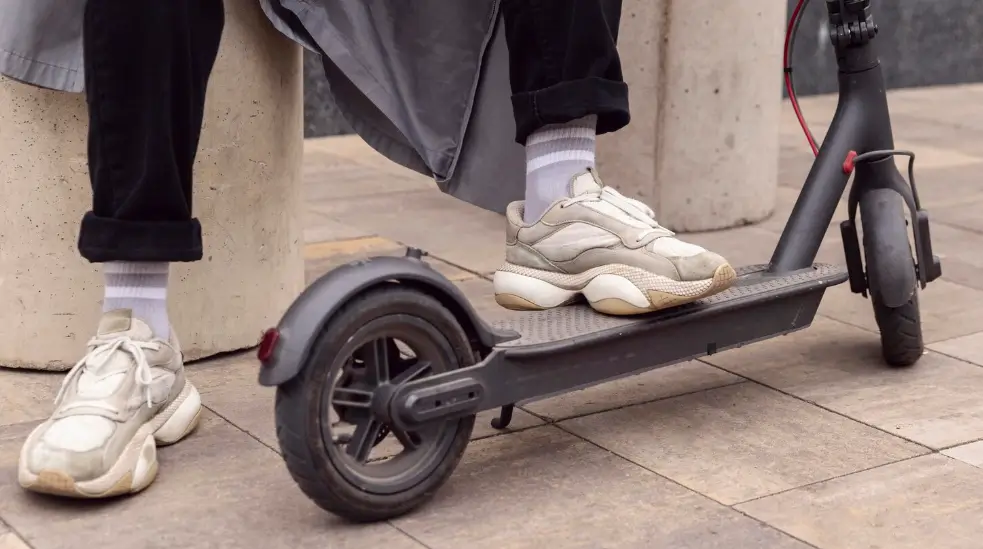
wheels electric scooter Take your first few rides in an empty parking lot. Practice turning, braking, and emergency stops. Build confidence before joining traffic.
Start in the slowest speed mode. Most scooters offer eco, normal, and sport modes. Work your way up as your skills improve.
Learn to balance before adding speed. Stand still on the scooter with one foot. Practice pushing off smoothly. Good balance prevents falls later.
Wear protective gear from day one. Helmets prevent serious head injuries. Knee and elbow pads save skin during falls. Gloves protect your hands and improve grip.
Traffic Safety
wheels electric scooter Follow the same rules as bicycle riders. Ride in bike lanes when available. Use hand signals before turning. Make eye contact with drivers at intersections.
Never assume cars see you. Ride defensively and leave extra space. Avoid riding in heavy rain or high winds until you gain experience.
Stay visible with bright clothing. Wear reflective vests in low light. Avoid dark colors that blend into shadows. Being seen prevents most accidents.
Watch for car doors opening. Riders call this getting doored. Stay at least three feet from parked cars. Scan for people sitting in driver seats.
Proper Stance
wheels electric scooter Stand with feet shoulder-width apart. Keep knees slightly bent to absorb bumps. Place your stronger foot forward for better balance.
Don’t lean too far forward or back. Center your weight over the deck. Shift your body weight when turning instead of just turning the handlebars.
Keep both hands on the handlebars always. One-handed riding reduces control. Save the phone checking for when you’re stopped safely.
Look ahead at the road, not down at the deck. Your eyes guide your balance. Scan for obstacles 20 feet ahead. This gives you time to react safely.
Comparing Popular Models
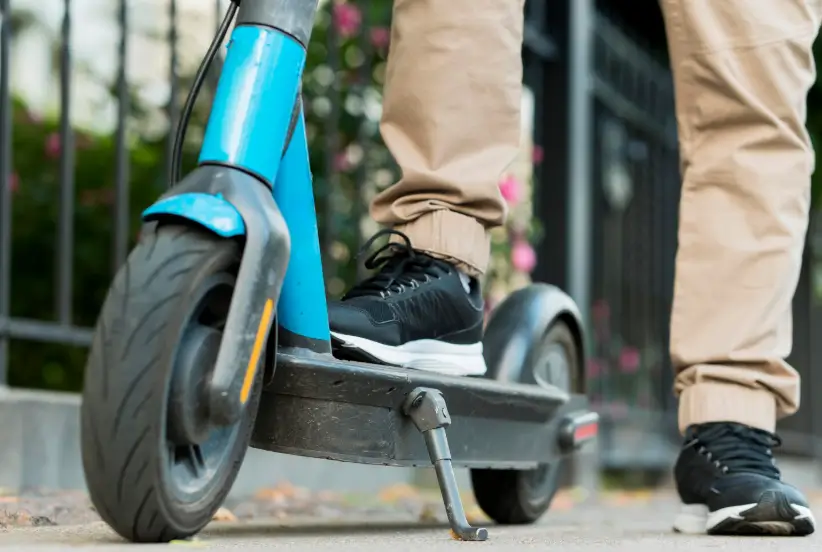
Budget Options Under $400
Wheels electric scooter Entry-level scooters get you moving without breaking the bank. They typically feature 250-watt motors and 15-mile range. Build quality varies widely at this price point.
Read reviews carefully before buying cheap scooters. Some brands cut corners on safety. Look for models with good warranties and customer support.
Expect basic features only. No suspension, small wheels, and simple brakes are common. These scooters work fine for short, occasional trips. Daily riders quickly outgrow them.
Mid-Range Models ($400-$800)
Mid-range options deliver better performance and reliability. Expect 500-watt motors, 25-mile range, and improved suspension. These wheels electric scooter options handle daily commuting well.
Popular brands in this range include known manufacturers with proven track records. They offer replacement parts and service centers. Spending more now saves money on repairs later.
This price bracket offers the best value. You get quality construction without premium prices. Most features you need come standard. Upgrades focus on convenience, not necessity.
A quality wheels electric scooter in this range balances cost with features perfectly. They’re durable enough for daily use and affordable for most budgets. This sweet spot makes them the most popular choice among commuters.
Premium Scooters Above $800
High-end models compete with motorcycles. Dual motors provide all-wheel drive. Ranges exceed 40 miles. Top speeds reach 30 miles per hour or more.
Premium wheels electric scooter models feature hydraulic brakes, full suspension, and smartphone apps. They’re built for serious riders who cover long distances. The investment pays off in comfort and durability.
Expect advanced features like GPS tracking and theft alarms. Custom ride modes let you fine-tune performance. Build quality rivals motorcycles. These scooters last for years with proper care.
Top-tier wheels electric scooter brands compete on innovation. Each year brings better batteries and smarter controls. If you ride 10 miles daily, premium models justify their cost within a year of ownership.
Legal Considerations
Local Regulations
Electric scooter laws vary by city and state. Some areas ban them completely. Others require helmets, licenses, or insurance.
Check your local regulations before buying. Some cities restrict where you can ride. Violating scooter laws can result in tickets or fines.
Age restrictions apply in many places. Riders must be 16 or 18 years old. Speed limits are common. Power limits restrict motor size in some areas.
Sidewalk riding is banned in most cities. Stick to bike lanes and streets. Parks often prohibit scooters too. Know the rules to avoid trouble.
Before purchasing a wheels electric scooter, verify local laws online. Many cities post official regulations on government websites. Understanding the rules protects you from fines and keeps everyone safer on shared paths.
Insurance Options
Personal injury protection covers medical bills after accidents. Liability insurance protects you if you damage property or injure someone. Some homeowners policies cover electric scooters.
Dedicated scooter insurance costs $100 to $200 yearly. It’s worth considering if you ride in traffic often. Check if your health insurance covers scooter accidents.
Registration requirements exist in some states. You may need a license plate and annual fee. Check your DMV website for details. Rules change frequently as scooters grow more popular.
Environmental Impact
Carbon Footprint Reduction
Switching from cars to scooters cuts your carbon emissions dramatically. A wheels electric scooter produces zero direct emissions. Even accounting for electricity generation, scooters beat cars for short trips.
One scooter replaces dozens of car trips yearly for typical commuters. This adds up to significant environmental benefits. Cities with more scooters have better air quality.
Charging costs pennies per day. A full charge uses about as much power as a laptop. Your monthly electricity bill barely changes. Compare that to gas prices.
Manufacturing impact matters too. Scooters use far less material than cars. Shipping them creates fewer emissions. The total lifecycle footprint remains much smaller.
Every wheels electric scooter on the road means one less car trip. This collective impact reduces urban congestion and pollution. As more people switch, cities become cleaner and quieter for everyone.
Battery Recycling
Lithium batteries shouldn’t go in regular trash. Many retailers accept old batteries for recycling. Some manufacturers offer trade-in programs for old scooters.
Proper recycling recovers valuable materials. It keeps toxic chemicals out of landfills. Always dispose of batteries responsibly when your scooter reaches end of life.
Battery technology improves constantly. Newer models last longer and charge faster. Recycling programs make the industry more sustainable. Support brands that offer recycling options.
Future of Electric Scooters
Technology Improvements
Battery technology advances every year. New models travel farther on single charges. Solid-state batteries may double range within five years.
Smart features are becoming standard. GPS tracking deters theft. Apps let you customize performance settings. Future scooters may drive themselves to charging stations.
Solar panels on decks could extend range. Lighter materials will improve portability. Better motors will climb steeper hills. The technology keeps getting better.
Tomorrow’s wheels electric scooter will outperform today’s best models. Advances in materials science create lighter frames. Better battery chemistry extends range beyond current limits. The future looks bright for scooter technology.
Market Growth
Electric scooter sales grow 15 percent annually. More people recognize the benefits for short trips. Cities build better infrastructure to support riders.
Expect more models and options in coming years. Prices will drop as competition increases. Today’s premium features become tomorrow’s standard equipment.
Sharing programs expand to smaller cities. This lets people try before buying a wheels electric scooter. The market matures as regulations stabilize. Now is a great time to join the movement.
Manufacturers now produce wheels electric scooter models for every budget and need. From basic commuters to off-road beasts, choices have never been better. Competition drives innovation while lowering prices for consumers.
Making Your Final Decision
Choosing the right wheels electric scooter depends on your specific needs. Consider where you’ll ride most often. Think about how far you need to travel daily.
Set a realistic budget that includes safety gear and maintenance. Read reviews from actual owners, not just promotional materials. Test ride models when possible before buying.
Quality scooters provide years of reliable transportation. They save money on gas and parking. More importantly, they make commuting fun again.
Start researching models that fit your requirements. Compare specifications across brands. Don’t rush the decision. The perfect wheels electric scooter for your lifestyle is out there waiting.
Consider buying from local shops when possible. They offer test rides and service. Online prices may seem lower but lack support. A good relationship with a shop pays off long-term.
Join online communities of scooter riders. They share tips and recommendations. You’ll learn which models hold up best. Real-world advice beats marketing every time.
Your ideal wheels electric scooter matches your daily routine perfectly. Take time to evaluate your needs honestly. The right choice transforms transportation from a chore into something you enjoy every single day.